Nest Company’s DPP
Our trust tool (Digital Trust) designed to support circular economy models
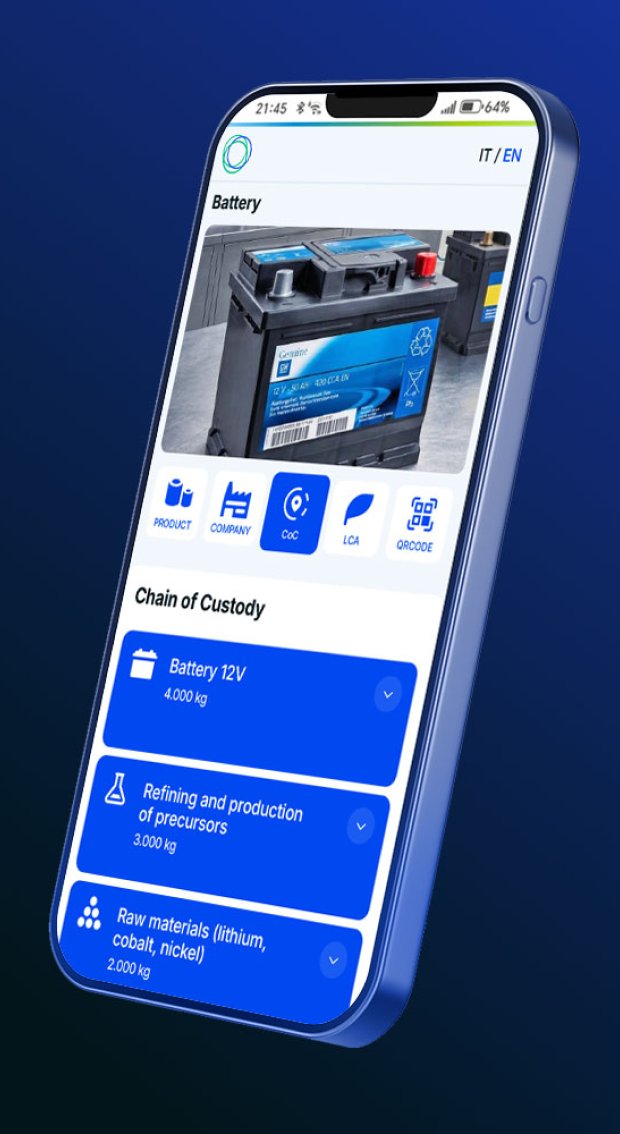


Our trust tool (Digital Trust) designed to support circular economy models
Why companies must comply with regulations such as the Ecodesign for Sustainable Products Regulation (ESPR)

What it is for and what the goal of the Digital Product Passport is
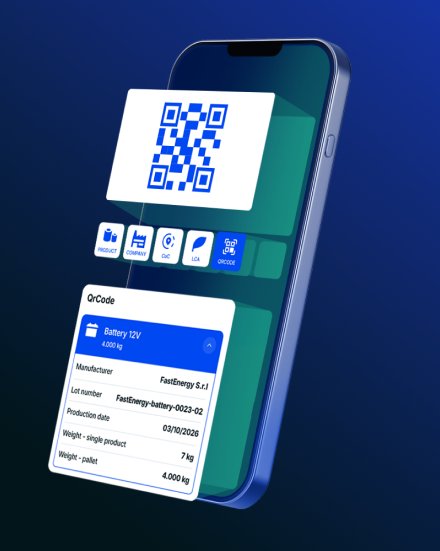
The no-code digital platform for regulatory compliance

Nest’s blockchain, accessible and sustainable

Proprietary technologies for the certified data infrastructure

Our software guarantees quality, security and data protection
Positioning, vision and goals of a company that turns sustainability into measurable value

A growth path driven by vision, skills and innovation
What are you interested in?
Nest Chain
Nest Chain is the permissioned blockchain infrastructure for notarizing and verifying information. Unlike public blockchains such as Ethereum or Bitcoin, this architecture gives full control over data writing and reading costs, ensuring scalability and cost efficiency for production networks processing high volumes of transactions.
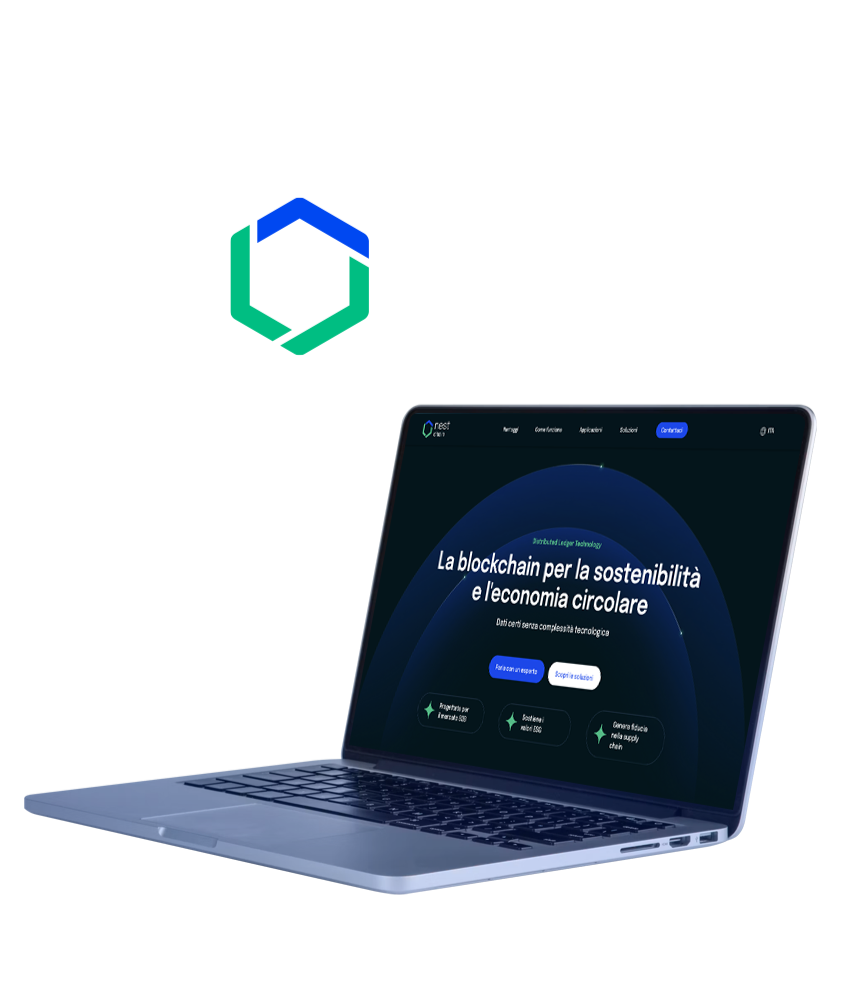

Distributed Ledger Technology
The rise in data breaches and the growing complexity of supply chains are making the management of digital information ever more critical. In this context, the market demands solutions that can ensure data security, integrity and reliability, while also ensuring interoperability, privacy protection and regulatory compliance.
European initiatives such as GDPR and EBSI are speeding up the adoption of shared standards, while technologies such as blockchain (Distributed Ledger Technology) offer an infrastructure able to meet these needs, ensuring traceability, verifiability and protection of information along the entire value chain.
Nest Company’s answer
Cloud-native and container-based, it ensures elastic scalability, high availability and minimal environmental impact, making it a sustainable and energy-efficient blockchain solution, in line with ESG and corporate sustainability goals.
A DLT ecosystem meeting the needs of complex industrial networks and regulated B2B2C models
Cryptographic integrity and Enterprise security: it guarantees data immutability, overcoming the vulnerabilities of centralised databases.
Permissioned DLT without cryptocurrencies, with public read access for maximum transparency towards the market.
Digital Chain of Custody (ISO 22095): certified traceability and validation of ownership transfers along the value chain.
Cloud-native architecture with low environmental impact and high energy efficiency.
Contained, predictable and scalable costs: the ideal infrastructure for supply chain registries and EPR schemes

Nest Chain
B.Tracking

Certifications






Enable reliable processes, reduce operational risk and guarantee the quality of information along the entire value chain. Choose Nest Company’s technology.