Nest Company’s DPP
Our trust tool (Digital Trust) designed to support circular economy models
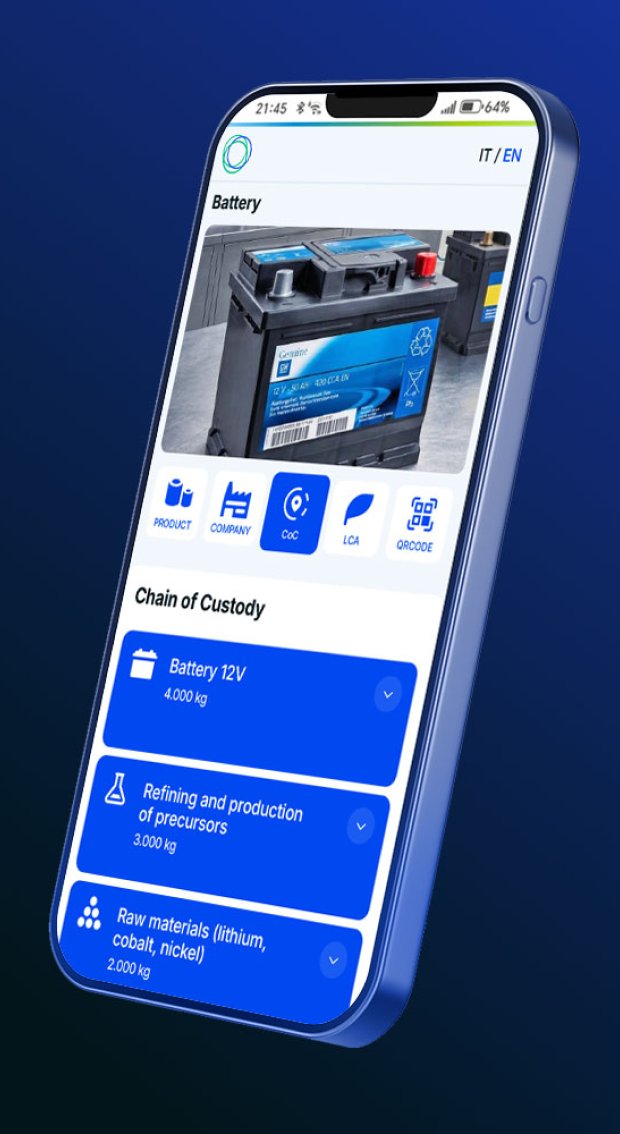


Our trust tool (Digital Trust) designed to support circular economy models
Why companies must comply with regulations such as the Ecodesign for Sustainable Products Regulation (ESPR)

What it is for and what the goal of the Digital Product Passport is
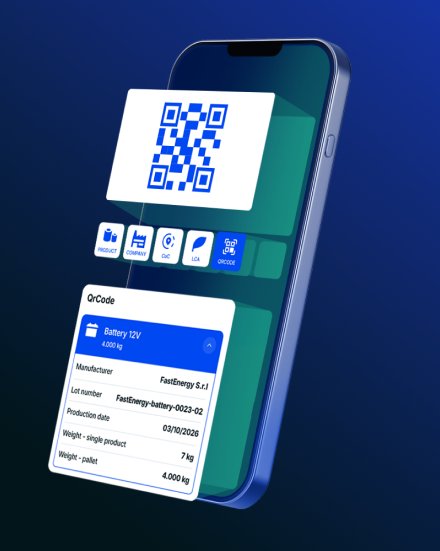
The no-code digital platform for regulatory compliance

Nest’s blockchain, accessible and sustainable

Proprietary technologies for the certified data infrastructure

Our software guarantees quality, security and data protection

Positioning, vision and goals of a company that turns sustainability into measurable value

A growth path driven by vision, skills and innovation
What are you interested in?
Digital Product Passport
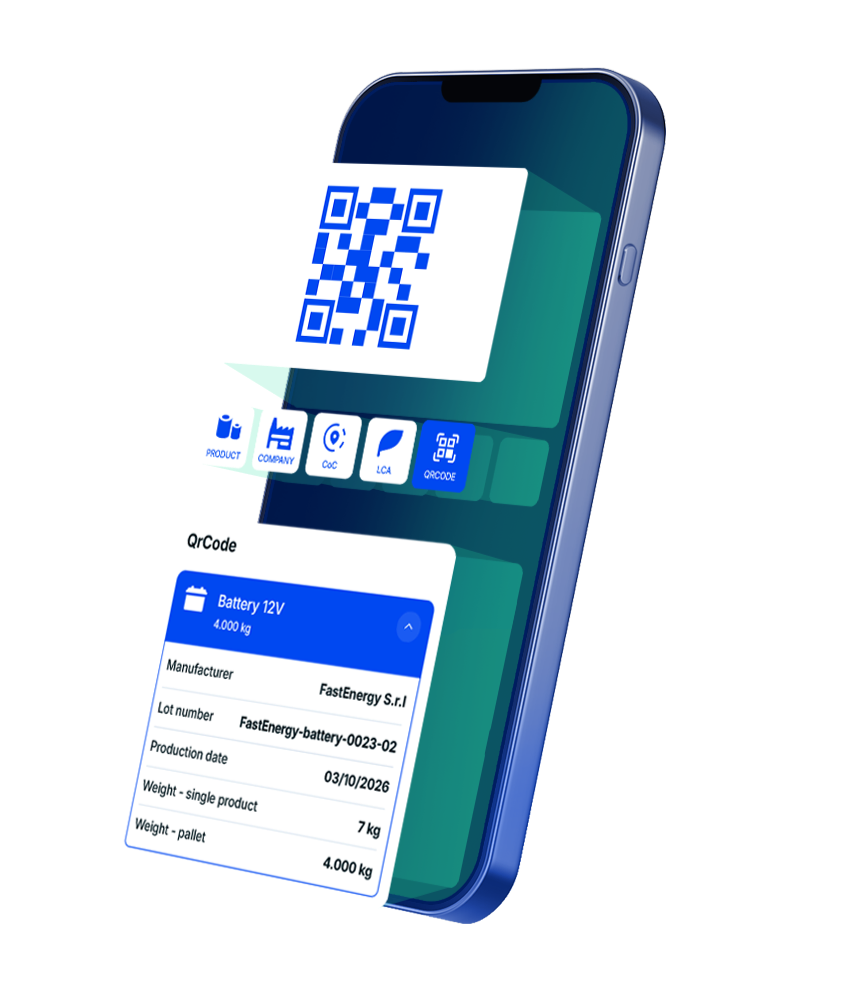

A product’s digital identity card
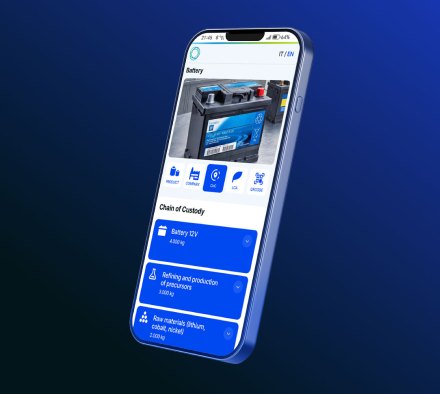
The Digital Product Passport opens with a QR code printed on the item or its packaging, and gathers in one place the information that matters: what it is made of, where it comes from, how to use it, how to repair it, where it ends up.
The digital passport stems from a choice made by Europe: moving from an economy that produces, uses and throws away to one that keeps value within the cycle. The technical tool for that choice is the ESPR regulation, in force since July 2024. The obligation to adopt it arrives progressively, one sector at a time.

A label says things once, at the moment of sale. The passport, instead, is constantly updated: for example, it can record the stages of the product’s life such as maintenance, repairs, changes of ownership, and its delivery for recycling at end of life.
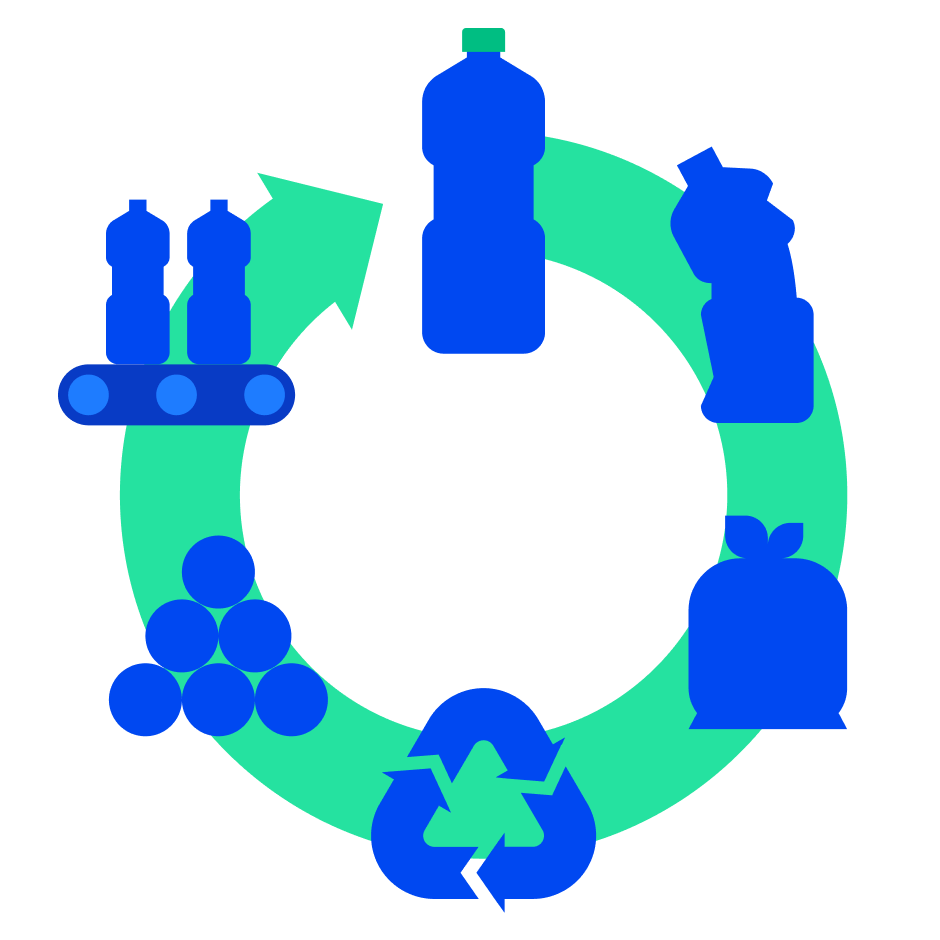
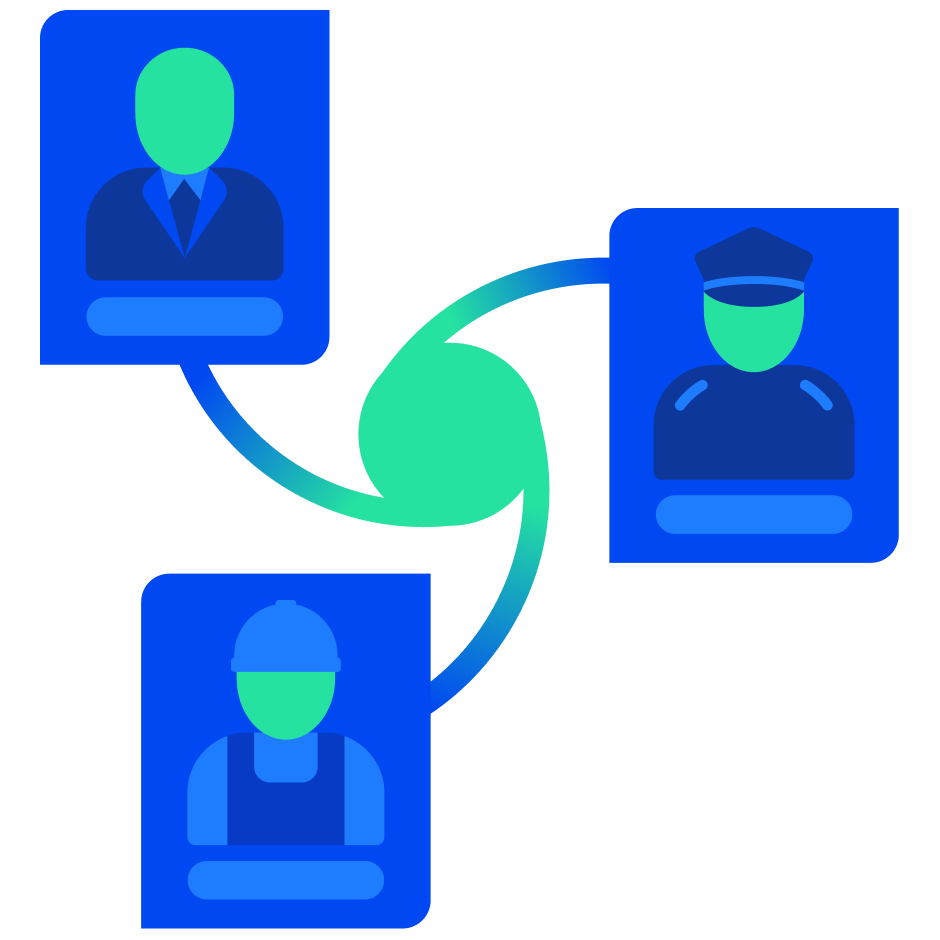
The same passport speaks to several parties, and each sees what they need: consumers the information to choose and use the product, companies what they need to prove their claims, authorities the control data, recyclers the technical data. Confidential information remains protected: the right to know concerns the product, not the secrets of those who make it.
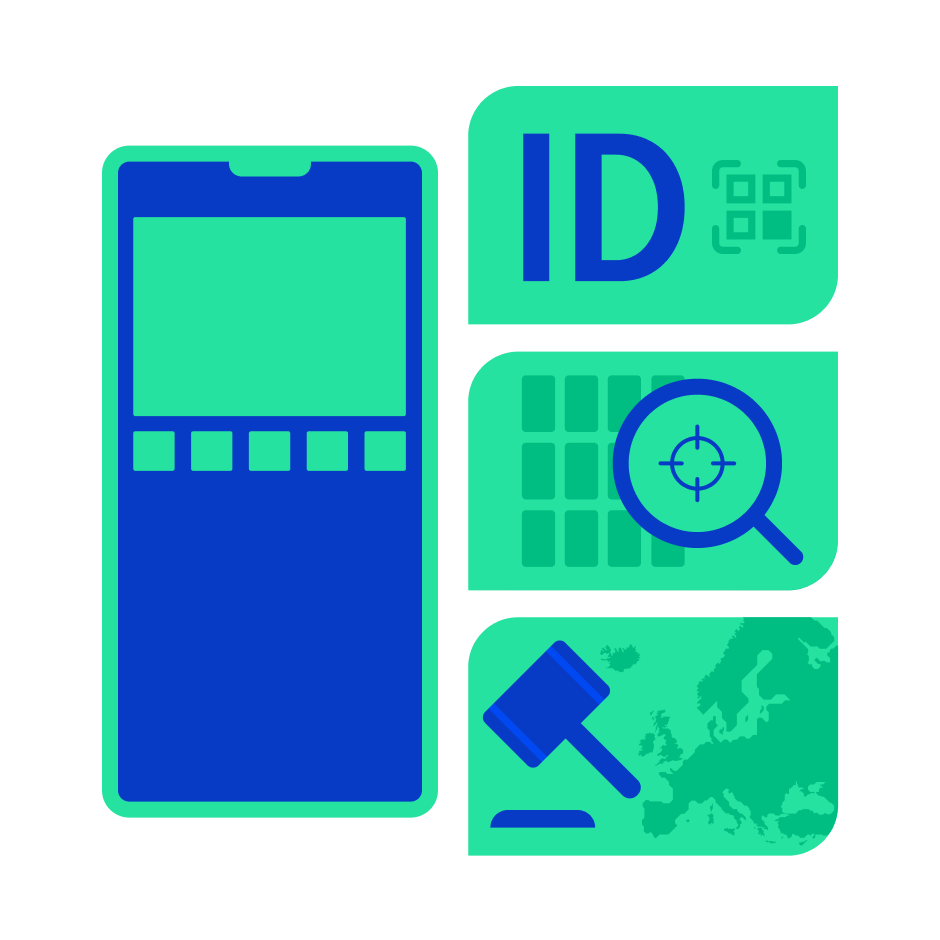
Three elements make it work:
The actual data stays with the company that produces it, or with whoever manages it on its behalf.

It can contain solid information or approximate information, and readers cannot tell them apart at a glance. What makes the difference is the reliability of what is inside. This is where The Nest Company’s work begins.
Digital Product Passport

Digital Product Passport

Digital Product Passport







Enable reliable processes, reduce operational risk and guarantee the quality of information along the entire value chain. Choose Nest Company’s technology.