Nest Company’s DPP
Our trust tool (Digital Trust) designed to support circular economy models
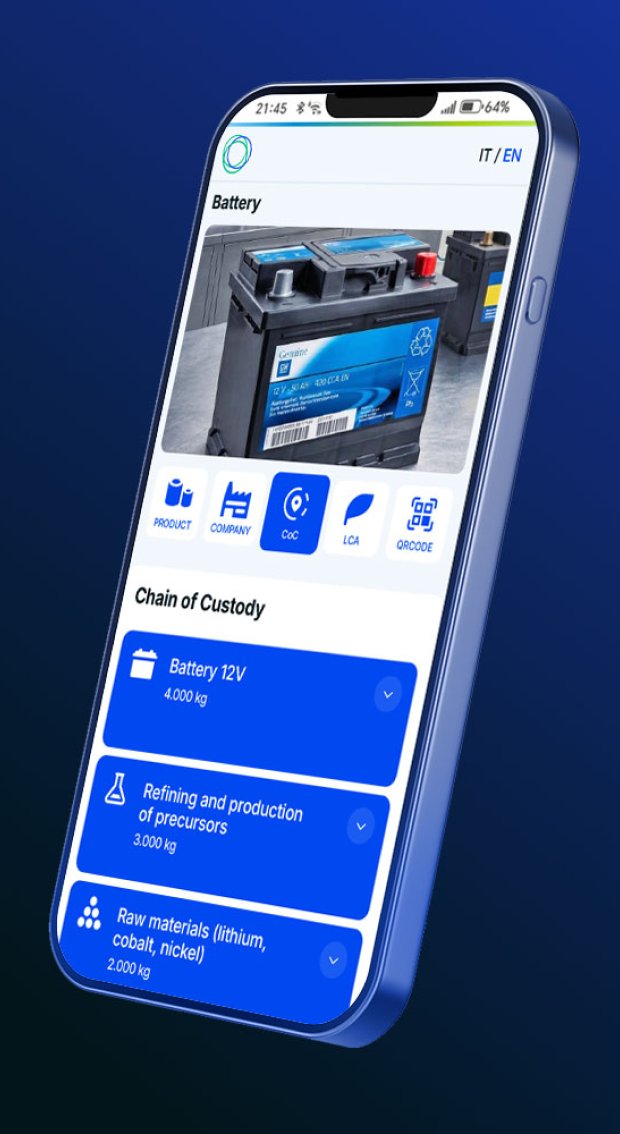


Our trust tool (Digital Trust) designed to support circular economy models
Why companies must comply with regulations such as the Ecodesign for Sustainable Products Regulation (ESPR)

What it is for and what the goal of the Digital Product Passport is
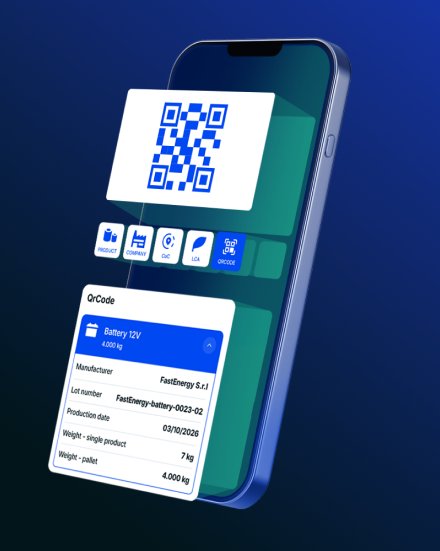
The no-code digital platform for regulatory compliance

Nest’s blockchain, accessible and sustainable

Proprietary technologies for the certified data infrastructure

Our software guarantees quality, security and data protection

Positioning, vision and goals of a company that turns sustainability into measurable value

A growth path driven by vision, skills and innovation
What are you interested in?
Digital Product Passport

We are a partner of Cirpass-2, the European pilot project on the Digital Product Passport

This is where The Nest Company’s DPP differs from the others
Many build the digital passport first and only then worry about the data to put in it. We start from certified data. First we secure the data, then the passport follows naturally.
A passport is useful to its reader only if they can trust what it says. That is why our work aims at one thing: making every piece of data certain, verifiable and enforceable.

Enforceable data withstands scrutiny by a customer, an inspection body or an authority. Every piece of information is notarized on Nest Chain, our blockchain.

Data can be updated when needed, but every version, once notarized, is frozen and verifiable: you can always prove what the data said at a given moment and that nobody altered it afterwards.

Technology protects data from that point on. Data collected badly, however, would remain wrong afterwards too. Value is built earlier, in the way data is collected and checked along the supply chain. That is exactly what we do.
We follow the material along the entire supply chain without ever losing track of it, recording every step that matters: who delivers it, who takes charge of it, how it is transformed.
The Nest Company has been doing this for years, particularly in recycled plastic and textiles, long before anyone talked about a digital passport.
The advantage for those who work with us is concrete: when a customer or an authority asks how the materials were followed, the answer is a method they already know and accept, in Italy and abroad.

We track materials according to ISO 22095, the international standard that sets the rules of the chain of custody: how a material must be followed and documented at every step so that its history is credible.
Learn more
With orderly, certified data, the passport becomes a working tool
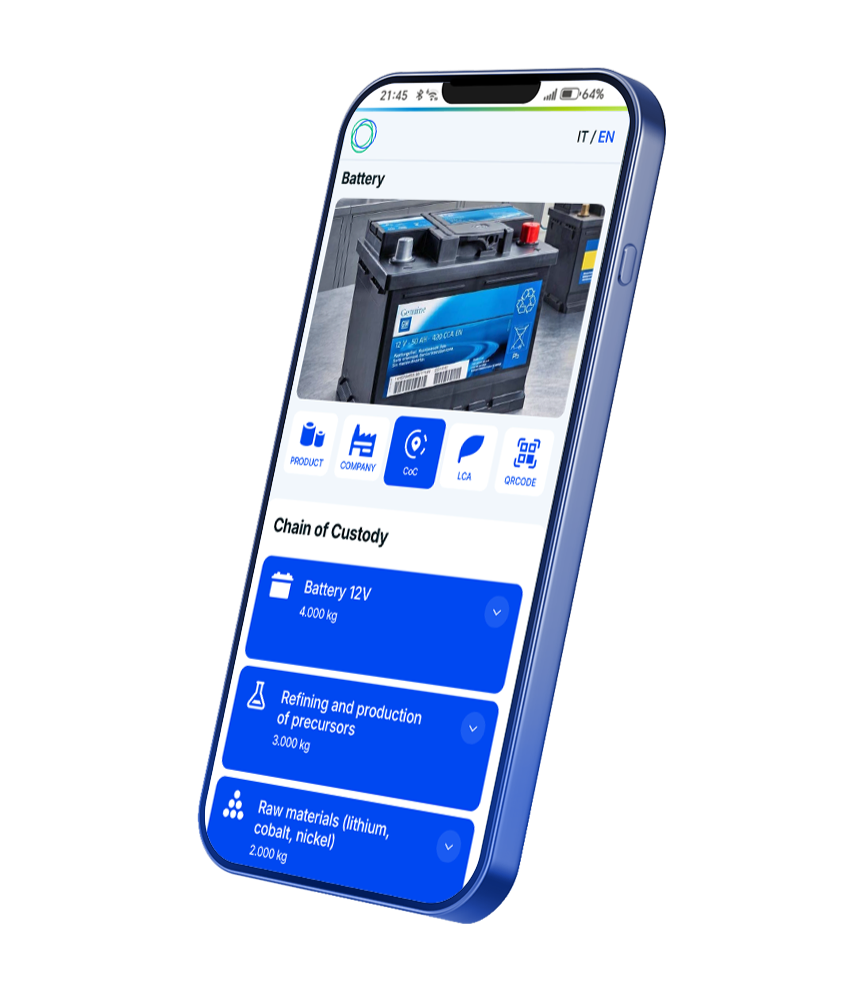
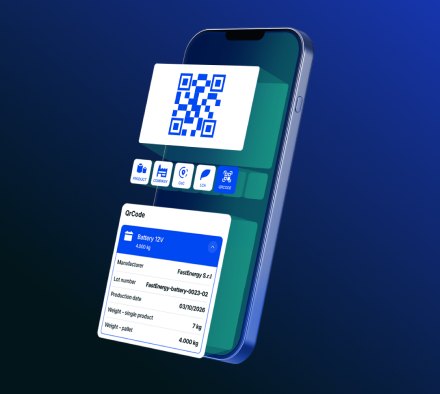
Not everything is visible to everyone: part of the data is public, what buyers and users of the product need; other, more technical and strategic layers remain selectively reserved for those entitled to see them (e.g. a control authority, a repairer, a recycler) and open only with a digital identity that confirms the role of the requester.
It becomes proof of authenticity and origin that is hard to forge, protecting the product against counterfeiting and confidential information against undue access.
It remains an open channel with the customer for the product’s entire life, from warranty and support to repair and recycling instructions.

You start from a single product line and extend to the whole catalogue
Our platform connects to the systems the company already uses, without replacing them. Those starting from scratch, like many small businesses, are guided step by step.
European rules keep changing and becoming more precise. To keep track of them we actively take part in CIRPASS-2, the European Commission’s pilot project on the digital passport: being inside the project that shapes it lets us see in advance where regulation is heading.
The platform is built to adapt in real time
We take on new requirements by updating the platform, not rebuilding it from scratch.
When the competent bodies update the technical rules, the platform adopts them without any action by the customer.
The passport secures access to the European market, where it will become mandatory sector by sector.
The same data, once in order, helps you understand where you are efficient, answer customers once instead of a thousand times, and be chosen as a supplier by those who must build the passport for their own products.

From compliance cost to positioning lever

Digital Product Passport

Digital Product Passport

Digital Product Passport









Enable reliable processes, reduce operational risk and guarantee the quality of information along the entire value chain. Choose Nest Company’s technology.