Nest Company’s DPP
Our trust tool (Digital Trust) designed to support circular economy models
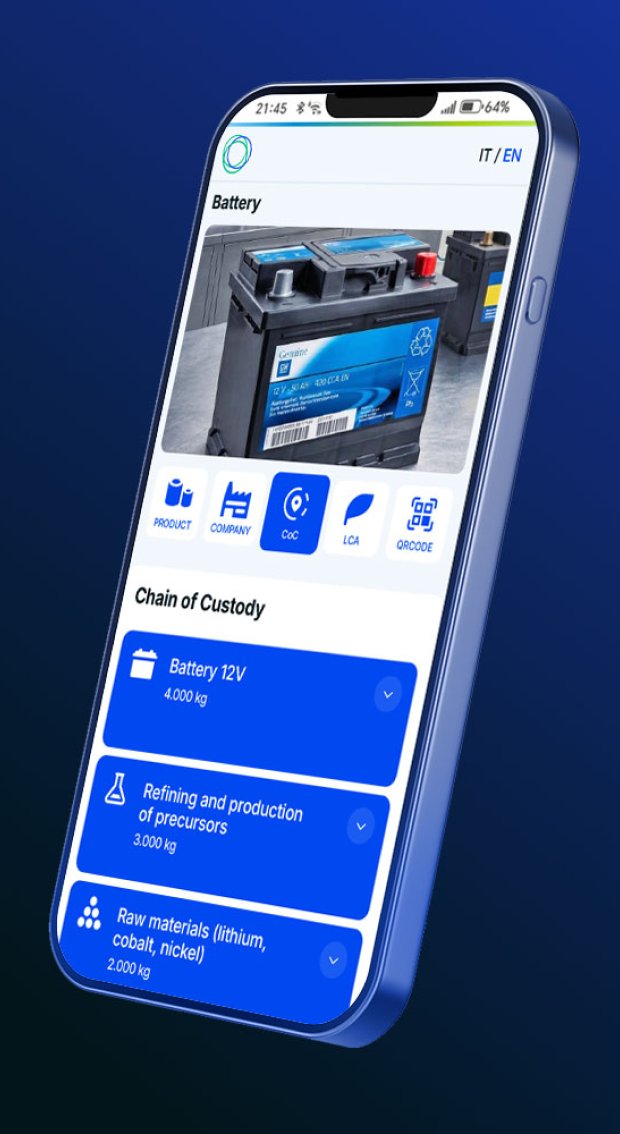


Our trust tool (Digital Trust) designed to support circular economy models
Why companies must comply with regulations such as the Ecodesign for Sustainable Products Regulation (ESPR)

What it is for and what the goal of the Digital Product Passport is

The no-code digital platform for regulatory compliance

Nest’s blockchain, accessible and sustainable

Proprietary technologies for the certified data infrastructure

Our software guarantees quality, security and data protection

Positioning, vision and goals of a company that turns sustainability into measurable value

A growth path driven by vision, skills and innovation
What are you interested in?
Digital Product Passport

The Digital Product Passport stems from the European ESPR regulation (EU 2024/1781), in force since July 2024. It is the framework: the passport rules derive from it, and it will become mandatory one sector at a time.
The European working plan prioritises textiles, iron and steel, aluminium, furniture and tyres: planned dates concern the adoption of acts, not the automatic start of obligations. Battery passports are required from 18 February 2027 for industrial batteries above 2 kWh, electric vehicle batteries and light means of transport batteries. The PPWR governs packaging labels and information without imposing a universal DPP for all packaging.

Market demands may precede legal obligations: a customer preparing passports for its products may request verifiable data from suppliers. Preparing this data early helps businesses respond to supply-chain requests and assess applicable requirements in good time.

Since 27 September 2026, the new rules under Directive (EU) 2024/825 against misleading environmental commercial practices have applied. Generic environmental claims require recognised excellent environmental performance relevant to the claim; merely having data is not enough. A DPP can help organise information, but does not by itself certify that a claim complies with the rules.


Sources checked: 4 November 2026. Planned adoption dates may change; scope and application dates must be checked in the relevant acts.
Digital Product Passport

Digital Product Passport

Digital Product Passport












Enable reliable processes, reduce operational risk and guarantee the quality of information along the entire value chain. Choose Nest Company’s technology.